
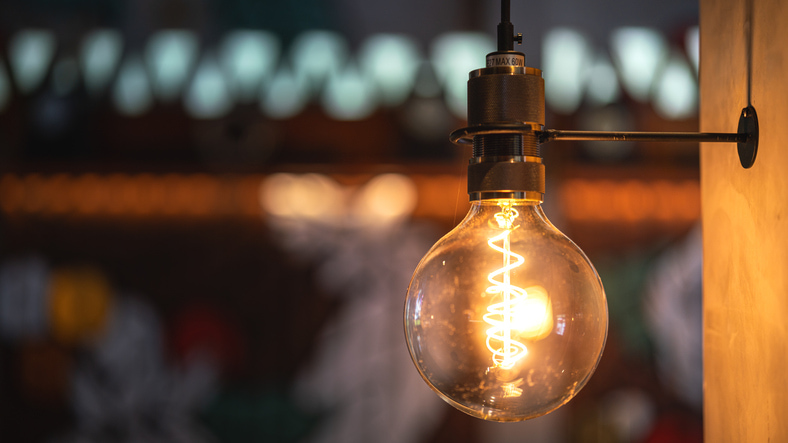
Picture this: You’re settling into your Linden, NC, home on a chilly January evening, reaching for the light switch, when suddenly the glow stutters like a candle in the wind. That unsettling flicker isn’t merely an annoyance; it’s your electrical system sending up a distress signal. Approximately 51,000 residential electrical fires occur annually in the United States, and many begin with warning signs homeowners dismiss as minor quirks. Read on to learn why your lights are flickering.
Loose Connections Are Shorting Your Peace of Mind
Flickering lights frequently stem from loose electrical connections at switches, outlets or within your circuit breaker panel. These unstable connections create resistance, generating heat and intermittent power flow that manifests as that irritating flicker. Winter’s temperature fluctuations cause materials to expand and contract, exacerbating connection issues that might have remained dormant during milder months.
According to electrical safety experts, loose connections account for roughly 30% of residential electrical problems. If multiple lights flicker simultaneously throughout your home, the issue likely originates at your main electrical panel, demanding immediate professional attention from Cape Fear Air, Electric, & Plumbing to prevent potential fire hazards.
Overloaded Circuits Can’t Handle Your Power Demands
Modern homes consume significantly more electricity than structures built even two decades ago. When you plug space heaters, kitchen appliances and entertainment systems into circuits designed for lighter loads, flickering becomes inevitable. An overloaded circuit forces your electrical system to distribute insufficient power to too many devices, causing voltage drops that manifest as dimming or flickering lights.
Voltage Fluctuations From Your Utility Provider
Sometimes, the culprit originates outside your property lines. Utility companies maintain voltage standards between 114 and 126 volts for 120-volt service, but factors like damaged transformers, weather-related issues or grid demand surges can cause fluctuations that affect entire neighborhoods.
If neighbors experience similar flickering patterns, contact your utility provider first. However, persistent voltage irregularities warrant installing whole-home surge protection to safeguard sensitive electronics and appliances from damage caused by these electrical instabilities.
Frequently Asked Questions About Flickering Lights
Can flickering lights damage my electronics?
Yes, consistent voltage fluctuations can gradually degrade sensitive electronics, shortening their lifespan and potentially causing immediate failure during severe power surges. Whole-home surge protection provides comprehensive defense against these damaging electrical events.
When should I call an electrician about flickering lights?
Contact Cape Fear Air, Electric, & Plumbing immediately if you notice flickering accompanied by burning smells, sparking, warm fixtures or if multiple rooms experience simultaneous issues. These symptoms indicate potentially dangerous electrical faults requiring urgent professional diagnosis.
Could my flickering lights indicate outdated wiring?
Absolutely. Homes built before 1990 often have aluminum wiring or insufficient amperage to meet contemporary power demands. The Consumer Product Safety Commission reports that homes with aluminum wiring are 55 times more likely to reach fire-hazard conditions than homes with copper wiring.
Schedule Electrical Repair in Linden, NC, for Flickering Lights
Cape Fear Air, Electric, & Plumbing’s licensed electricians possess the expertise to diagnose and resolve any electrical issue threatening your home’s safety and comfort. Contact us today for a comprehensive electrical inspection in Linden, NC, that will shed light on your system’s condition and restore reliable power throughout your residence.
Image provided by iStock